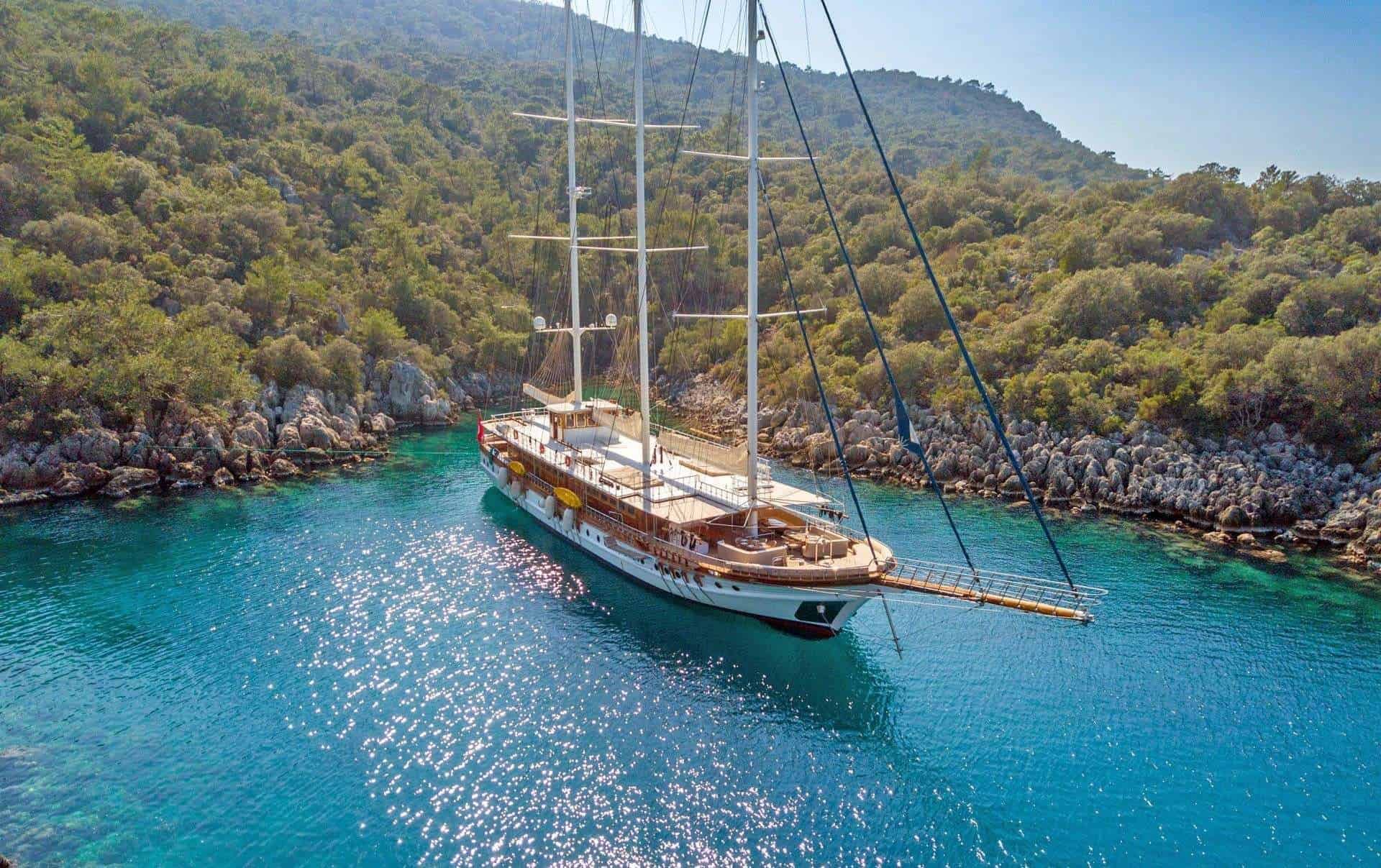
Discover the Hidden Bays of the Dodecanese Islands on a Private Gulet Cruise
The Dodecanese Islands, scattered across the southeastern Aegean Sea, are among Greece's most fascinating destinations for a private gulet cruise. While islands such as Rhodes and Kos are internationally recognised, the archipelago also contains quieter islands, secluded coves and beautiful natural anchorages that reward travellers who explore beyond the main harbours.
A gulet cruise offers an exceptional way to discover this part of Greece. Travelling between the islands by sea allows guests to reach peaceful swimming spots, dramatic coastal landscapes and small beaches that are often difficult to access from land.
From the sheltered coves of Symi and the volcanic coastline of Nisyros to the unspoilt shores of Tilos, Lipsi and Chalki, the Dodecanese offer a remarkable variety of coastal experiences.
Some bays are known for their clear turquoise water, others for their white pebble beaches, sea caves or traditional waterfront tavernas. Together, they create an ideal setting for a relaxed Greek island holiday aboard a private gulet.
Why Explore the Dodecanese by Gulet?
The Dodecanese form a large island chain in the southeastern Aegean, close to the Turkish coast. The archipelago includes well-known destinations such as Rhodes and Kos, as well as smaller islands including Symi, Tilos, Nisyros, Chalki, Lipsi, Leros, Kasos and Kastellorizo.
The islands are geographically spread out, which creates a diverse cruising environment. Some routes are ideal for a week-long holiday, while others require ten days, two weeks or longer.
A private gulet allows guests to experience the region at a comfortable pace, combining secluded anchorages with visits to traditional island settlements.
The main advantages include:
Secluded swimming locations: Discover small beaches and natural coves away from the busiest tourist areas.
Island-hopping freedom: Explore different islands without repeatedly changing accommodation.
Beautiful natural anchorages: Spend peaceful evenings surrounded by the Aegean landscape.
Cultural discoveries: Visit traditional villages, historic harbours, monasteries and archaeological sites.
Private onboard comfort: Enjoy spacious accommodation, freshly prepared meals and relaxation on deck.
Flexible itineraries: Adapt the route to the weather, cruising distances and your preferred destinations.
Some of the bays featured below are well known among local sailors and can become busy during the summer season. The advantage of a private charter is the flexibility to choose suitable visiting times and alternative anchorages.
Hidden Bays and Beaches of Symi
Symi is one of the most picturesque islands in the Dodecanese. Its colourful neoclassical harbour, traditional architecture and dramatic hillsides make it a memorable destination.
Beyond the famous harbour of Gialos, however, Symi has a quieter coastline filled with beautiful swimming coves and sheltered bays.
Nanou Bay – A Beautiful Pebble Beach Surrounded by Hills
Nanou Bay is one of the most attractive beaches on Symi's eastern coastline. Surrounded by steep hills and natural vegetation, the bay offers a peaceful setting with clear water and a beautiful pebble shoreline.
The dramatic landscape creates a sense of seclusion, while the water is particularly appealing for swimming and snorkelling.
Nanou is a wonderful destination for guests who want to enjoy Symi's natural side rather than spending the entire visit in the busy harbour.
Why visit Nanou Bay?
Beautiful pebble beach
Clear water for swimming and snorkelling
Dramatic green and rocky surroundings
A peaceful alternative to the main harbour
Attractive scenery for photography
Marathounda Bay – Traditional Symi Scenery
Marathounda is a charming bay on the southern side of Symi. It is known for its clear water, pebble beach and traditional atmosphere.
A small number of facilities and a local taverna give the bay a welcoming character without taking away from its natural beauty.
Marathounda is particularly attractive for guests who want to combine a swimming stop with a relaxed lunch ashore.
Why visit Marathounda?
Attractive pebble beach
Clear swimming water
Traditional Greek taverna atmosphere
Scenic coastal landscape
A pleasant stop during a Symi gulet cruise
St George Bay – A Dramatic Cove Beneath High Cliffs
St George Bay, also known as Agios Georgios Bay, is one of the most spectacular coastal locations on Symi.
High cliffs surround the bay, creating a dramatic natural amphitheatre above the clear blue water. Its impressive landscape makes it one of the most memorable places to approach by yacht.
The bay is particularly appealing for swimming and photography. Its exposed coastal setting means the captain must assess the weather and anchoring conditions before planning an overnight stay.
Why visit St George Bay?
Impressive cliffs rising above the sea
Beautiful blue swimming water
Dramatic scenery viewed from the yacht
A distinctive natural landscape
An unforgettable coastal stop on Symi
Agios Emilianos – A Quiet Island-Side Anchorage
Agios Emilianos is a small coastal area associated with a picturesque chapel and attractive surrounding waters.
It offers a more intimate experience than the main settlements of Symi and can be a pleasant stop for swimming and enjoying the island scenery.
Hidden Bays and Beaches of Tilos
Tilos is one of the quieter islands in the Dodecanese, known for its natural landscapes, traditional villages and relaxed atmosphere.
The island offers a combination of long beaches, smaller coves and dramatic rocky coastline. It is an excellent destination for guests looking to experience a less-developed side of Greece.
Lethra Beach – A Secluded Coastal Escape
Lethra is one of the more peaceful beaches on Tilos. Located away from the island's main settlement, it is known for its pebble shoreline, clear water and natural surroundings.
The beach can be reached by walking trail or by sea, making it particularly interesting for yacht visitors.
Above the coastline are remnants of an abandoned settlement, adding a sense of history to the surrounding landscape.
Why visit Lethra?
Quiet pebble beach
Beautiful clear water
Natural and relatively undeveloped surroundings
Historic remains in the wider area
An attractive stop for a private gulet cruise
Eristos Bay – A Wide Beach with Beautiful Aegean Views
Eristos is one of the best-known beaches on Tilos. Its long shoreline and open landscape create a different atmosphere from the smaller secluded coves of the island.
The beach is a good destination for swimming, walking along the shore and enjoying the scenery.
Although Eristos is not a secret beach, it offers plenty of space and is worth including in a wider Tilos itinerary.
Plaka Beach – A Natural Coastal Setting
Plaka is another attractive beach on Tilos, located near the village of Livadia. It is known for its natural surroundings and clear water.
The beach offers a relaxed swimming stop for guests exploring the island by yacht, subject to the prevailing conditions and suitable anchoring arrangements.
Hidden Beaches of Nisyros
Nisyros is one of the most distinctive islands in the Dodecanese. Its volcanic origins have created a dramatic landscape of dark rocks, unusual geological formations and traditional villages.
The island is particularly famous for its active volcanic crater, but its coastline also contains beautiful swimming locations.
Pachia Ammos – A Volcanic Beach with Dark Sand
Pachia Ammos is one of Nisyros's most distinctive beaches. Its dark volcanic sand and clear water create a striking contrast with the surrounding landscape.
The beach is located away from the island's main harbour and offers a more natural atmosphere than the more developed coastal areas.
It is an appealing destination for guests who enjoy unusual geological scenery and quieter swimming locations.
Why visit Pachia Ammos?
Dark volcanic sand
Clear Aegean water
Natural and relatively remote setting
Distinctive volcanic landscape
A memorable swimming stop on Nisyros
Lies Beach – A Long and Quiet Stretch of Coastline
Lies is a beautiful beach on the eastern side of Nisyros. It is known for its dark sand and pebble shoreline, with a more open and peaceful atmosphere than the main harbour area.
The surrounding volcanic landscape gives the beach a distinctive character.
Its location makes it a worthwhile destination for guests exploring the island's coastline.
Avlaki – A Small Coastal Harbour
Avlaki is a small coastal area on the southern side of Nisyros, associated with an old harbour and the island's maritime history.
It offers an interesting stop for visitors looking to explore a quieter part of the island and enjoy the contrast between the volcanic coastline and the blue Aegean Sea.
Hidden Bays and Coves of Lipsi
Lipsi is a small island located between Patmos and Leros. It is particularly attractive for guests seeking tranquillity, traditional Greek island life and beautiful swimming beaches.
The surrounding area also contains several small islands and islets, creating numerous opportunities for exploration by yacht.
Monodendri – Two Beautiful Coves in a Peaceful Setting
Monodendri is one of the most secluded coastal areas on Lipsi. The location is known for its small coves and natural landscape, offering a quieter alternative to the island's main beaches.
The name refers to a solitary pine tree associated with the area. The surrounding shoreline is characterised by rocks, small pebble beaches and clear water.
Why visit Monodendri?
Quiet coastal setting
Small natural swimming coves
Clear water and rocky scenery
A less-developed atmosphere
Excellent for a peaceful swimming stop
Platis Gialos – Turquoise Water and a Sandy Shore
Platis Gialos is one of the most attractive beaches on Lipsi. Its clear, shallow water and sandy shoreline make it a popular swimming destination.
The bay offers a beautiful contrast between the pale beach and the blue Aegean Sea.
Although it is not entirely undiscovered, it remains a memorable stop for guests cruising around Lipsi.
Aspronisia – Small Islands and Crystal-Clear Water
Aspronisia is a group of small islets near Lipsi, known for their pale rocky landscape and transparent water.
The surrounding area is particularly appealing for swimming, snorkelling and enjoying the open scenery from the yacht.
It is one of the most attractive locations to explore by boat in the Lipsi island group.
Hidden Coves of Leros
Leros is known for its beautiful coastline, traditional villages, pine-covered hills and Italian-influenced architecture.
Its many bays and inlets make it an interesting destination for a gulet cruise, particularly for guests looking for a combination of peaceful swimming stops and cultural exploration.
Krifos Bay – A Small and Secluded Coastal Gem
Krifos is a small cove near the Dio Liskaria area of Leros. It is known for its clear water and rocky coastal surroundings.
The bay has an intimate character and is a pleasant place for swimming and relaxing away from the larger settlements.
Its small scale means that conditions and available space should be checked before planning a yacht stop.
Why visit Krifos?
Small natural cove
Clear swimming water
Rocky coastal landscape
Quiet atmosphere
A different perspective on Leros
Agia Kioura – A Scenic Coastal Stop
Agia Kioura is a beautiful area on the northeastern side of Leros, known for its chapel and surrounding coastline.
The area offers attractive views and an opportunity to combine a coastal visit with a little cultural exploration.
Xirokampos – A Peaceful Southern Bay
Xirokampos is located on the southern side of Leros and is known for its sheltered coastal setting and traditional atmosphere.
It offers a pleasant destination for swimming, exploring the coastline and enjoying the island's relaxed way of life.
Hidden Beaches of Patmos
Patmos is famous for its spiritual heritage, traditional architecture and the UNESCO-listed Monastery of Saint John. Beyond its cultural attractions, the island also has beautiful beaches and quiet coves.
Psili Ammos – A Beautiful Sandy Beach
Psili Ammos is one of the most attractive beaches on Patmos. Its soft sand, clear water and natural surroundings make it a favourite among visitors looking for a beautiful beach away from the main settlements.
The beach is relatively remote compared with the island's more accessible coastal locations. Arriving by yacht offers an alternative way to reach the area, although the final approach and shore access depend on conditions.
Why visit Psili Ammos?
Beautiful sandy shoreline
Clear swimming water
Natural surroundings
A quieter alternative to busier beaches
Excellent for a relaxed beach visit
Livadi Geranou – A Scenic Bay on the Northern Coast
Livadi Geranou is a picturesque bay on the northern side of Patmos. It is known for its attractive coastal scenery and the small island of Agios Georgios nearby.
The surrounding waters are appealing for swimming, while the bay offers a peaceful setting for enjoying the landscape.
Lampi Beach – Colourful Pebbles and Clear Water
Lampi is famous for its distinctive colourful pebbles, which create a unique shoreline.
The beach offers a beautiful setting for swimming and photography, although visitors should avoid removing stones or other natural material.
The Secluded Shores of Chalki
Chalki, also known as Halki, is a small island west of Rhodes. It is known for its traditional harbour, neoclassical houses and peaceful atmosphere.
Beyond its picturesque main settlement of Nimborio, the island has a rugged coastline with several beautiful swimming locations.
Areta Bay – A Remote Cove Surrounded by Cliffs
Areta is one of the most remarkable coastal locations on Chalki. High rocky cliffs surround the bay, creating a dramatic and secluded setting.
The large white pebbles and turquoise water make it particularly attractive for swimming and photography.
The cove is best approached by sea, but the exposed coastal position means that the captain must assess the weather and anchoring conditions carefully.
Why visit Areta Bay?
Dramatic cliffs surrounding the cove
White pebble shoreline
Clear turquoise water
A remote and natural atmosphere
An exceptional location for photography
Pondamos Beach – A Relaxed Sandy Beach
Pondamos is one of Chalki's best-known beaches, with a sandy shoreline and clear water.
It is located close enough to Nimborio to make it convenient for a visit ashore, while still offering a relaxed island atmosphere.
Ftenagia Beach – A Beautiful Swimming Stop Near Nimborio
Ftenagia is a small beach close to Chalki's main settlement. Its clear water and rocky surroundings make it a pleasant swimming destination.
It is particularly convenient for guests who want to combine time in the water with a visit to the traditional harbour.
Hidden Bays of Kasos
Kasos is one of the more remote islands in the Dodecanese. Its maritime traditions, traditional villages and quiet coastline make it an interesting destination for longer gulet cruises.
Chelatros Bay – A Natural Harbour on Kasos
Chelatros is one of the most attractive bays on Kasos. It is known for its natural harbour setting, clear water and peaceful atmosphere.
The bay offers an excellent opportunity to enjoy a quiet swimming stop while exploring an island that receives fewer visitors than Rhodes or Kos.
Why visit Chelatros?
Natural harbour setting
Clear water
Quiet and relatively remote location
Beautiful coastal scenery
A memorable destination on a longer Dodecanese cruise
Emporios – A Traditional Coastal Settlement
Emporios is a small coastal settlement with a beautiful beach and traditional island character.
It offers a pleasant place to enjoy local food and explore the coastline of Kasos.
Kastellorizo – The Blue Cave and Remote Aegean Coastline
Kastellorizo, also known as Megisti, is one of Greece's most easterly islands. Its colourful harbour, historic buildings and remarkable coastal scenery make it a distinctive destination.
The Blue Cave – An Extraordinary Natural Sea Cave
The Blue Cave, also known as the Cave of Parastas, is one of the most impressive natural attractions in the Dodecanese.
Accessible by small boat in suitable sea conditions, the cave is famous for the intense blue light created when sunlight enters and reflects through the water.
The entrance is low and narrow, so access is dependent on calm conditions, the tide and the size of the visiting boat. It is not a location that a gulet should attempt to enter directly.
A visit by local boat or tender, when conditions permit, offers an unforgettable experience.
Why visit the Blue Cave?
Remarkable natural sea cave
Intense blue light and reflections
Unique geological formation
One of the most distinctive attractions in the Dodecanese
An exceptional excursion during a Kastellorizo visit
Suggested 10-Day Gulet Cruise in the Southern Dodecanese
The Dodecanese cover a large geographical area, so a successful gulet itinerary should focus on a manageable group of islands.
The following example is a southern Dodecanese route starting and finishing in Rhodes. It combines Symi, Tilos, Nisyros and Chalki, with time for swimming and exploring.
Day 1 – Rhodes to Symi
Board your gulet in Rhodes and cruise towards Symi. Enjoy a first swimming stop before arriving in the beautiful harbour of Gialos. Spend the evening exploring the colourful waterfront.
Day 2 – Symi: Nanou and Marathounda
Explore the quieter coastline of Symi. Swim in Nanou Bay and continue towards Marathounda for a relaxed afternoon and dinner.
Day 3 – Symi to Tilos
Cruise towards Tilos, enjoying the open Aegean scenery. Depending on conditions, stop for a swim before arriving near Livadia.
Day 4 – Tilos: Lethra and Eristos
Explore the beaches of Tilos. Visit Lethra for a quieter swimming experience and continue towards Eristos for a different coastal landscape.
Day 5 – Tilos to Nisyros
Continue towards volcanic Nisyros. Enjoy a swimming stop and spend the evening in the harbour area. Guests can arrange a shore excursion to explore the island's volcanic landscape.
Day 6 – Nisyros: Pachia Ammos and Lies
Discover the island's distinctive beaches and volcanic coastline. Enjoy swimming and a relaxed day on board.
Day 7 – Nisyros to Chalki
Cruise towards Chalki, one of the quieter islands in the southern Dodecanese. Enjoy an afternoon swimming stop before visiting Nimborio.
Day 8 – Chalki: Areta Bay
Explore the island's rugged coastline and visit Areta Bay if conditions allow. Enjoy the clear water and dramatic scenery.
Day 9 – Chalki to Rhodes
Begin the return journey towards Rhodes, with a swimming stop along the route if weather and time permit.
Day 10 – Rhodes
Enjoy breakfast on board before disembarkation according to the charter schedule.
This itinerary is illustrative. The captain should determine the final route according to weather, prevailing winds, sea conditions, cruising speed, anchorage availability and guest preferences.
Best Time for a Dodecanese Gulet Cruise
The main gulet charter season in the Dodecanese generally runs from May to October.
May and June: These months are attractive for guests who prefer a quieter atmosphere, pleasant temperatures and spring scenery. The sea may be cooler than later in the summer.
July and August: The peak summer period offers warm sea temperatures and long sunny days. Popular beaches and harbours can become busy, and the Meltemi wind can influence cruising plans.
September: One of the most attractive months for a gulet holiday. The sea is generally still warm, while some of the busiest summer destinations become quieter.
October: A quieter end-of-season option, although weather conditions can become more variable and some seasonal facilities may close.
For many guests, June and September offer an appealing balance between comfortable temperatures, swimming conditions and fewer crowds.
Important Cruising Considerations in the Dodecanese
The Dodecanese are a beautiful cruising destination, but their geographical position and exposure to the Aegean winds require careful route planning.
The Meltemi, a seasonal northerly wind, can influence sailing conditions during the summer months. Wind strength and direction vary between islands and channels, so daily route decisions should always be made by the captain.
Before confirming a gulet itinerary, consider:
Cruising distances: Some islands are relatively close, while others require longer passages.
Prevailing winds: The Meltemi can affect exposed anchorages and open-water passages.
Yacht characteristics: Draft, speed and manoeuvrability influence which bays are suitable.
Anchoring conditions: Not every attractive cove offers safe overnight shelter in every wind direction.
Local regulations: Protected areas and archaeological locations may have specific restrictions.
Flexible planning: Keeping alternative anchorages available is an important part of a successful cruise.
Frequently Asked Questions About a Dodecanese Gulet Cruise
What are the best hidden bays in the Dodecanese Islands?
Some of the most attractive quieter coastal destinations include Nanou and Marathounda on Symi, Lethra on Tilos, Pachia Ammos on Nisyros, Monodendri on Lipsi, Krifos on Leros, Psili Ammos on Patmos, Areta on Chalki and Chelatros on Kasos.
Can you explore the Dodecanese Islands by gulet?
Yes. A private gulet is an excellent way to explore the Dodecanese. It allows guests to travel between islands, discover secluded swimming locations and enjoy overnight stays in selected bays and harbours.
Which Dodecanese island has the most secluded beaches?
Several islands offer secluded coastal areas. Tilos, Lipsi, Chalki, Kasos and parts of Symi are particularly attractive for guests seeking quieter beaches and a more relaxed island atmosphere.
Where is the Blue Cave in the Dodecanese?
The famous Blue Cave is located on Kastellorizo, also known as Megisti, in the southeastern Dodecanese. It is accessible by small boat in suitable sea conditions.
Is Symi good for a gulet cruise?
Yes. Symi is one of the most attractive islands for a gulet holiday. It combines a beautiful neoclassical harbour with secluded coves such as Nanou, Marathounda and St George Bay.
What is the best beach on Tilos?
Lethra is an excellent choice for guests seeking a quieter beach, while Eristos offers a longer and more open shoreline. Both provide attractive opportunities to enjoy the island's natural coastline.
Can a gulet visit the Blue Cave of Kastellorizo?
A gulet can visit the area around Kastellorizo, but the Blue Cave itself has a narrow, low entrance and is not suitable for direct entry by a large yacht. Access is normally arranged using a smaller local boat or tender when conditions permit.
How many days are needed for a Dodecanese gulet cruise?
A seven-day charter can explore a selected group of nearby islands. Ten to fourteen days provide more flexibility to visit several islands and explore quieter bays without rushing between destinations.
Is the Dodecanese suitable for a family gulet holiday?
Yes. The region offers beautiful swimming areas, traditional villages and a wide choice of island experiences. The captain and charter operator should select suitable anchorages and cruising distances according to the ages and needs of the guests.
When is the best month for a gulet cruise in the Dodecanese?
June and September are particularly attractive months for many visitors. July and August offer warmer sea temperatures and peak summer conditions, but the Meltemi wind and higher visitor numbers should be considered.
Does the Meltemi affect gulet cruises in the Dodecanese?
Yes. The Meltemi is a seasonal northerly wind that can influence sailing and anchoring conditions in the Aegean during summer. The captain should adapt the route and select suitable sheltered bays according to the daily forecast.
Can you combine Rhodes, Symi, Tilos and Nisyros on one gulet itinerary?
Yes. These islands can be combined in a southern Dodecanese itinerary, subject to the charter duration, yacht's cruising speed and weather conditions.
Discover the Dodecanese on a Private Gulet Charter
From the dramatic cliffs of St George Bay on Symi to the quiet beaches of Tilos, the volcanic shores of Nisyros and the remarkable Blue Cave of Kastellorizo, the Dodecanese offer an extraordinary variety of coastal experiences.
A private gulet cruise provides the freedom to explore these islands at your own pace, discover secluded swimming spots and enjoy the beauty of the southeastern Aegean from the sea.
Whether you prefer peaceful natural anchorages, traditional Greek villages, dramatic coastlines or unforgettable swimming stops, the Dodecanese offer a remarkable setting for a private Greek island holiday.
Contact our team to explore private gulet charter options and plan your Dodecanese Blue Cruise.